The Off-Grid Vision: A 30-Year Journey
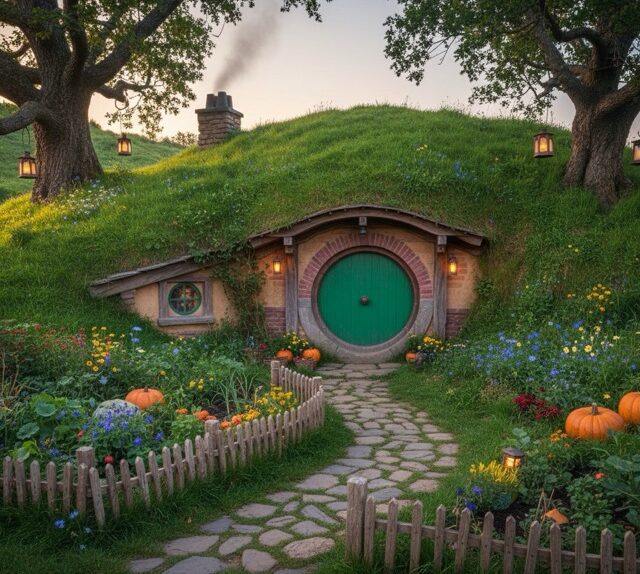
The vision for the DOME Project didn’t start in a walnut grove; it began decades ago, sparked by the cinematic coziness of a Hobbit dwelling and tested by the raw power of Gulf Coast hurricanes.
The Spark of Inspiration
It began over 30 years ago. Long before “tiny homes” or “sustainable living” were buzzwords, my mother and I watched The Lord of the Rings. We weren’t just watching a movie; we were captivated by the Hobbit holes—dwellings that felt like an extension of the earth itself. Back then, information on such architecture was scarce. We knew of Earthships (homes built from recycled tires), but the resources to build one felt worlds away.
Tested by the Elements (English)
Years later, life took us to Diamondhead, Mississippi, on the Gulf Coast. My husband, originally from Modesto, California, moved there in 2010, and we married two years later. Although I did not experience Hurricane Katrina personally, the stories of its devastating power still echoed throughout the region. Over the years, I witnessed other hurricanes firsthand and saw the impact extreme weather can have on conventional buildings. These experiences forced us to rethink what a “home” should truly be. We realized that a house shouldn’t just be a shelter—it needed to be a resilient structure, capable of protecting a family through any storm.
Exploring the Alternatives
Our search for a hurricane-proof home led us through several fascinating technologies. We believe in sharing these alternatives to the “square box” construction:
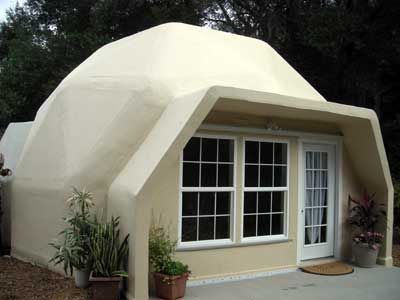
American Ingenuity (AiDomes), Florida
We traveled to Rockledge to visit this company, which specialized in geodesic domes made from triangular panels. We were deeply impressed by their strength, though the company sadly closed after the owner passed away.
Monolithic Domes
We then explored the incredible stability and insulation of Monolithic structures. They are virtually indestructible and offer amazing energy efficiency.
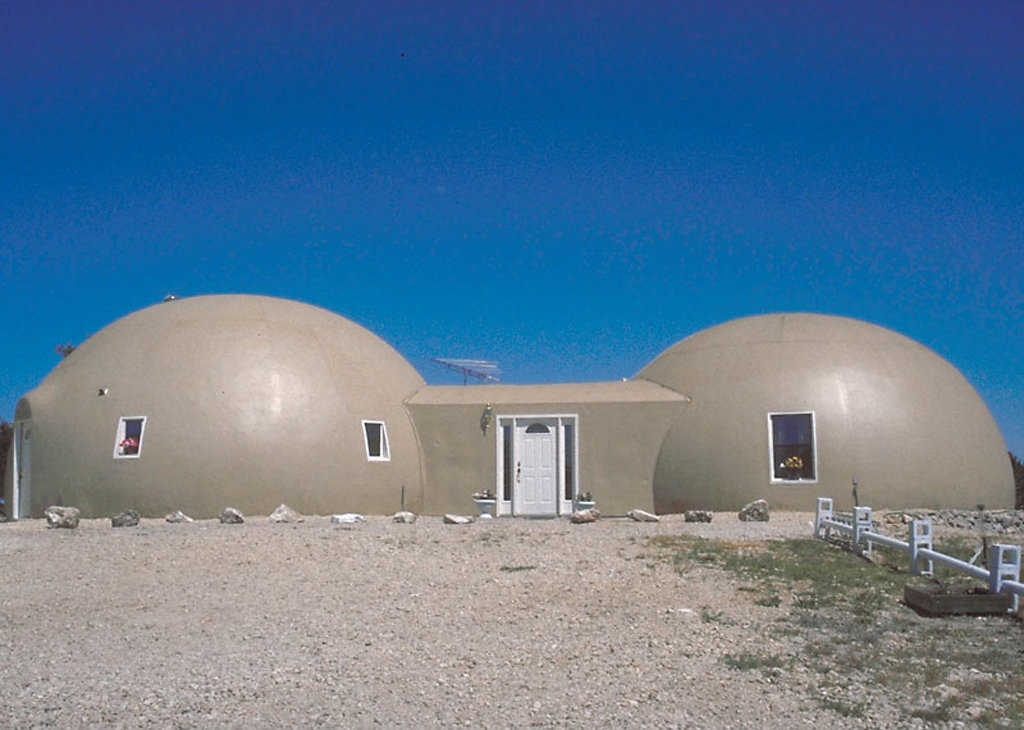
However, both of these methods relied heavily on cement. We felt a calling for something more organic—something that felt less like a bunker and more like a living part of the land.
We weren’t just building a house; we were restoring a heritage and building a shelter that breathes with the earth.
The Pandemic & The Return to the Roots
When the world came to a standstill during the COVID-19 pandemic, we found our answer: the Superadobe (Earthbag) technology by CalEarth. It was the perfect blend of the resilience we had seen in Florida and the organic spirit of the Hobbit houses we had always loved.
We decided to invest our resources and energy into this beautiful inherited land with its walnut trees, which is perfect for growing our own fruits and vegetables. Our idea is to gradually create a small eco-system with organic produce. That’s why we chose to create this type of earth shelter—it literally blends into nature and is the perfect place for us to stay so we can spend more time in the grove. It gives us the opportunity to be away from the city, to tend to our plants, and to enjoy the peace that the land provides.
CalEarth technology
Building the Dream
On August 6, 2022, I began the ONLINE Full Core Curriculum with CalEarth. Since workshops were not possible during the lockdowns, my husband and I took matters into our own hands. We built our first 2-meter test dome together. It was our “proof of concept”—a small structure that carried 30 years of dreams and a future of sustainable, off-grid living.
Research & Inspiration
Learn more about :
Monolithic Domes
CalEarth